Source Awd Mini Electric Used Car for Logistics, Delivery, and Fleet
Source an awd mini electric used car from 30 verified listings. Compare specifications including 60V/72V battery options, 500kg loading capacity, and CE/EEC certifications to find the right vehicle for your business needs; compare the available evidence and request quotations based on your requirements.
Key considerations
Products List


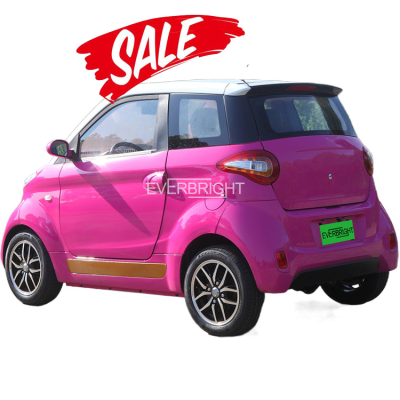
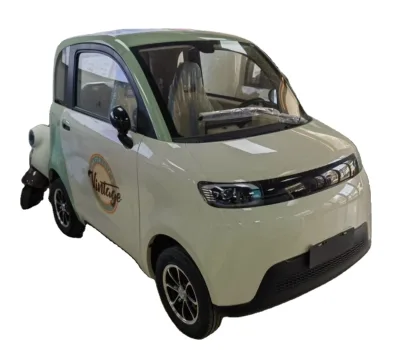


Comprehensive Sourcing Guide
Awd Mini Electric Used Car Sourcing Guide
Procuring an AWD mini electric used car requires a nuanced understanding of the current market landscape, where terminology often blurs the lines between new, refurbished, and pre-owned inventory. Buyers must carefully distinguish between vehicles marketed as "used" and those listed as "new" with specific configurations, as the supplied data indicates a mix of conditions including brand-new units with varying powertrains. The presence of AWD capabilities in mini electric segments suggests a focus on enhanced traction and stability, which is critical for urban logistics or mixed-terrain utility applications. Understanding these distinctions is the first step in aligning procurement goals with available supply, ensuring that the acquired asset meets operational demands without unexpected performance gaps.
The sourcing strategy must also account for the diverse model variations observed in current listings, ranging from specialized cargo carriers to compact passenger vehicles. While the core keyword emphasizes AWD and mini dimensions, the actual market offers a spectrum of body types, including closed cargo boxes and open mini styles, each serving different logistical needs. Buyers should prioritize vehicles that explicitly confirm all-wheel-drive systems, as this feature significantly impacts handling and safety in adverse conditions. By focusing on verified technical attributes rather than marketing labels, procurement teams can secure assets that deliver reliable performance, whether for last-mile delivery or personal urban mobility, while mitigating the risks associated with ambiguous product descriptions.
Product Scope and Observed Listing Signals
The observed product scope reveals a wide array of electric vehicles, with prices ranging from $950 to $10,000 USD, indicating significant variation in quality, battery capacity, and intended use. Minimum order quantities (MOQ) typically span from 1 to 50 units, allowing for both single-unit trials and bulk fleet acquisitions. Listings frequently highlight features such as 60V or 72V systems, with motor powers varying from 1000W to 3000W, suggesting that buyers must verify the specific powertrain configuration to ensure it meets their torque and speed requirements. The presence of both lead-acid and potentially other battery types necessitates careful evaluation of energy density and lifecycle costs, as these factors directly influence operational efficiency and total cost of ownership.
Additionally, the market shows a strong emphasis on customization, with options for body color, cargo box dimensions, and even CKD/SKD packing for assembly flexibility. Models like the L-CV and X9 demonstrate the diversity in design, with some units featuring closed bodies for cargo protection and others offering mini styles for urban agility. Buyers should note that while AWD is a key interest, many listed units specify front-wheel drive or other configurations, requiring strict verification of drive type. The availability of OEM services and customized colors further allows for brand alignment, but procurement teams must confirm that these customizations do not compromise structural integrity or electrical safety standards.
Technical Specifications to Verify
Technical verification must begin with the drivetrain, specifically confirming the presence of an all-wheel-drive system, as this is a critical differentiator for traction and safety. Buyers should inspect the motor specifications, ensuring that the voltage and wattage align with operational demands, such as the observed 60V1000W/3000W configurations. It is essential to verify the battery type, as lead-acid batteries are common but may require more frequent maintenance compared to lithium alternatives. The range per charge, often cited around 70km, should be validated under real-world load conditions, especially for cargo applications where the 500kg loading capacity will significantly impact energy consumption and performance.
Braking systems and tire specifications are equally critical for safety and durability. Front disc and rear drum brakes are frequently observed, but buyers should assess whether this configuration provides adequate stopping power for the vehicle's curb weight of 360kg and maximum speed of 38km/h. Tire sizes, such as 3.75-12 for both front and rear, should be checked for compatibility with intended terrain and load requirements. Additionally, the climbing ability of ≤15° must be confirmed to ensure the vehicle can handle inclines without stalling or overheating. Verifying these mechanical details through direct supplier inquiry or third-party inspection is vital to prevent operational failures and ensure long-term reliability.
Compliance and Safety Documentation
Compliance verification is paramount when sourcing electric vehicles, particularly those intended for international markets. Buyers must ensure that the vehicles hold relevant certifications such as CE, EEC, and CCC, which indicate adherence to regional safety and environmental standards. The presence of EEC certification is particularly important for European markets, as it validates the vehicle's conformity with strict regulatory requirements. Procurement teams should request copies of these certificates and verify their authenticity with issuing bodies, as counterfeit documentation is a risk in the used and refurbished vehicle market. Without proper certification, vehicles may face customs delays, fines, or outright rejection upon entry.
Safety documentation should also include detailed technical manuals and warranty information, which provide insights into the vehicle's maintenance requirements and liability coverage. Buyers should inquire about the condition of the battery and motor, as these are the most expensive components to replace. For used or refurbished units, a history of maintenance and any previous repairs should be documented to assess potential risks. Additionally, verifying that the vehicle meets local roadworthiness standards is essential, especially if the vehicle will be operated on public roads. Ensuring comprehensive compliance and safety documentation protects the buyer from legal liabilities and ensures that the vehicle can be legally and safely deployed in its intended market.
Cost Drivers and Commercial Terms
Cost drivers in the AWD mini electric car market include battery technology, motor power, and customization options. Lead-acid batteries, while common, may offer lower upfront costs but higher long-term maintenance expenses compared to lithium alternatives. Buyers should evaluate the total cost of ownership, considering factors such as charging time, range, and battery lifespan. The observed price range of $950 to $10,000 USD reflects these variations, with higher prices typically associated with advanced features, better battery technology, and certified compliance. Understanding these cost drivers allows buyers to make informed decisions that balance initial investment with operational efficiency.
Commercial terms such as MOQ, packing, and shipping methods also significantly impact the overall procurement cost. MOQs ranging from 1 to 50 units offer flexibility, but bulk orders may attract discounts. Packing options like CKD/SKD can reduce shipping costs for assembled units, while steel or naked packing may be more suitable for different logistics strategies. Buyers should negotiate clear terms regarding payment, delivery, and after-sales support to mitigate financial risks. Additionally, considering the 40HQ container capacity of 10PCS for certain models can help optimize shipping efficiency and reduce per-unit logistics costs. Transparent commercial terms are essential for accurate budgeting and successful procurement execution.
Supplier Qualification and Quality Control
Supplier qualification is a critical step in ensuring the reliability and quality of sourced AWD mini electric cars. Buyers should verify the supplier's manufacturing capabilities, certifications, and track record in the electric vehicle industry. Suppliers with OEM experience and customization options often demonstrate higher levels of technical expertise and flexibility. It is essential to conduct due diligence on the supplier's business license, production facilities, and quality control processes. Requesting references or case studies from previous clients can provide valuable insights into the supplier's reliability and customer service quality.
Quality control measures should include pre-shipment inspections, which verify that the vehicles meet the specified technical and compliance requirements. Buyers should establish clear quality standards and inspection criteria, covering aspects such as battery health, motor performance, and structural integrity. For used or refurbished units, a thorough mechanical and electrical inspection is necessary to identify any hidden defects. Implementing a robust quality control process helps mitigate the risk of receiving substandard products and ensures that the acquired vehicles perform as expected. Collaborating with third-party inspection agencies can provide an additional layer of assurance, particularly for large orders or high-value transactions.
Long-Term Procurement Checks
Long-term procurement success depends on establishing strong relationships with suppliers and implementing continuous improvement strategies. Buyers should regularly review supplier performance, assessing factors such as delivery times, product quality, and after-sales support. Maintaining open communication channels allows for timely resolution of issues and fosters a collaborative partnership. Additionally, staying informed about market trends and technological advancements in the electric vehicle sector enables buyers to make proactive procurement decisions. Evaluating the lifecycle costs and performance of acquired vehicles provides valuable feedback for future sourcing strategies.
Continuous monitoring of regulatory changes and certification requirements is essential to ensure ongoing compliance. Buyers should update their procurement criteria to reflect new standards and best practices in the industry. Implementing a feedback loop from end-users can help identify areas for improvement in vehicle design and functionality. By prioritizing long-term relationships and continuous improvement, procurement teams can secure a reliable supply of high-quality AWD mini electric cars that meet evolving operational needs. This strategic approach minimizes risks and maximizes the value derived from procurement investments, ensuring sustained success in the competitive electric vehicle market.
FAQs
What is the maximum load capacity for this AWD mini electric used car?
The maximum load capacity is 500kg for this cargo vehicle. It features a closed body type and a cargo box size of 1600 by 1150 by 420mm. This configuration supports heavy transport needs while maintaining stability on roads with climbing abilities up to 15 degrees.
Can I customize the color and body style of this electric vehicle?
Yes, customization is available for both color and body style. Buyers can choose from white, black, blue, or red finishes. The vehicle offers a mini body style with options for customized packaging like CKD or SKD to suit specific shipping requirements.
Which certifications does this AWD mini electric used car hold?
This vehicle holds CE, EEC, CCC, and GSV management certifications. These credentials ensure compliance with international safety and quality standards. The certifications apply to the electric motor and battery systems used in the 60V or 72V configurations.
How long does it take to charge the battery of this car?
The charging time ranges from 8 to 12 hours for a full charge. The vehicle uses a lead-acid battery with a voltage of 60V or 72V. This charging duration supports a range of up to 70km per charge under normal operating conditions.
What is the maximum speed of this electric cargo vehicle?
The maximum speed is 38km per hour for this specific model. It is equipped with a 60V 1000W or 3000W motor. This speed is suitable for urban cargo delivery while ensuring safety and compliance with local traffic regulations for mini electric vehicles.
Which suppliers offer this AWD mini electric used car with low MOQ?
Suppliers offer this vehicle with a minimum order quantity ranging from 1 to 50 units. The product originates from Taizhou, China, and is available in various models like L-CV or X9. Buyers can source these units directly from manufacturers accepting OEM requests.
What is the curb weight of this AWD mini electric used car?
The curb weight is 360kg for this compact electric vehicle. It features a closed body type and an overall dimension of 3200 by 1250 by 1700mm. This lightweight design aids in energy efficiency and maneuverability in tight urban environments.